

How to Start a Real Estate Business: My Personal Story
A few years ago, I was just another driven professional who spent late nights watching “how to start a real estate business” tutorials on YouTube. I had no money, no contacts in the industry, and no experience. I did, however, have a laptop, curiosity, and a strong desire to accomplish something significant.
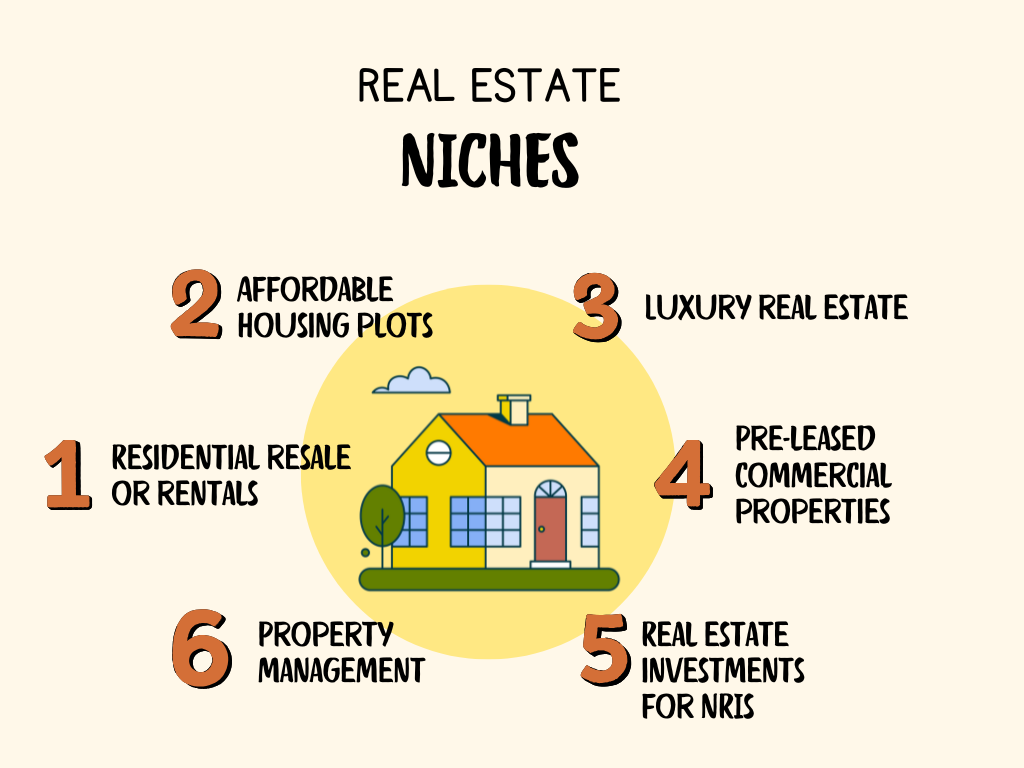
1. Picking a Profitable Real Estate Niche
I started off thinking I could do everything: residential sales, commercial leases, vacation homes—you name it. Spoiler alert: I burned out. Fast.
Then I got real with myself.
I’d helped a cousin buy a rental property, and that’s when it clicked. I understood how the leasing process worked, what tenants looked for, and how to close deals without sounding too “salesy.” So, I focused entirely on rental properties.
Here are some niches you can explore:
2. Choosing the Right Business Structure
When figuring out how to get into the real estate business, one of the first decisions you’ll face is choosing the right legal structure. This choice will determine how you meet regulatory requirements and manage liability and taxes.
There are four main types of legal structures to consider:
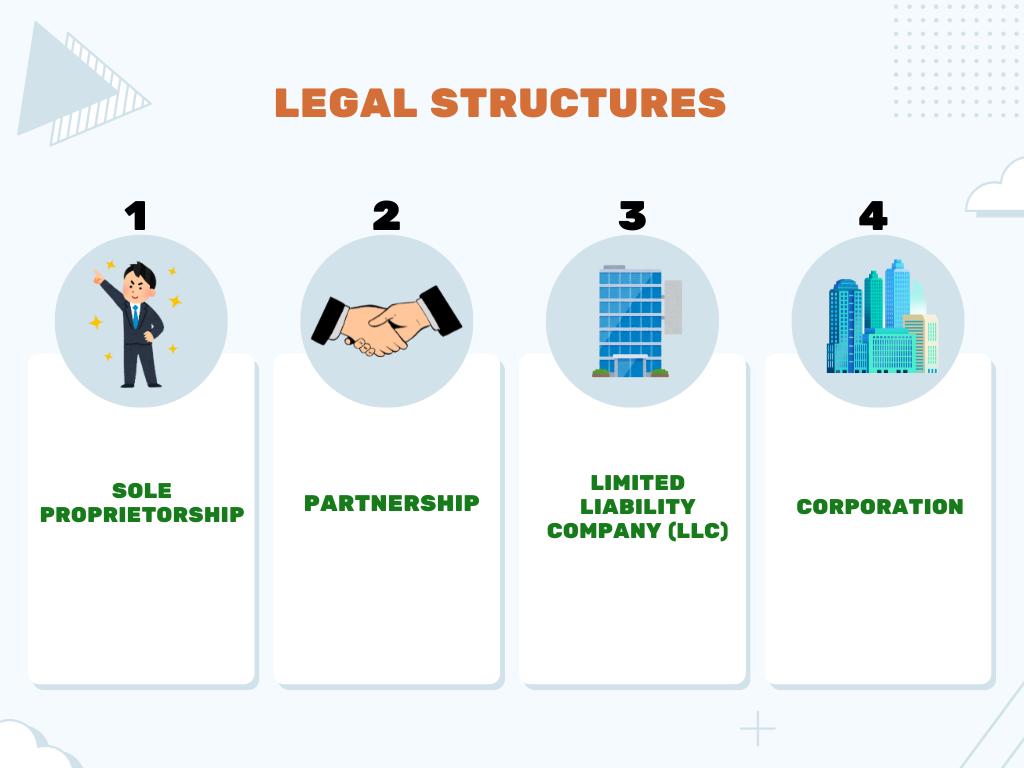
- Sole Proprietorship – You run the business alone and take full responsibility for its profits, losses, and obligations.
- Partnership – You operate the business with one or more partners, sharing both profits and liabilities.
- Limited Liability Company (LLC) – Offers personal liability protection while allowing you to benefit from flexible taxation and management.
- Corporation – A separate legal entity that can own assets, enter contracts, and handle taxation independently of its owners.
Ultimately, your choice should align with your long-term business vision and operational goals.
💡 You might find this helpful: First Time Home Buyer Guide
3. Doing Market Research the Smart Way

Entering the real estate business with no money meant I had to invest time in knowledge. I attended seminars, subscribed to industry publications, and networked with seasoned professionals. This immersion not only enhanced my understanding but also helped me identify trends and opportunities that were not immediately apparent. Instead of spending money on surveys, I used:
- Google Trends to see what real estate terms people search for.
- MagicBricks and 99acres for price comparisons.
- Joined Facebook groups & Telegram channels.
🧠 Did You Know?
India’s real estate market is projected to reach $1 trillion by 2030, making it one of the fastest-growing sectors in the country. Even small brokers can earn ₹10–15 lakhs annually with the right strategy.
4. Crafting a Rock-Solid Business Plan
Once I had a decent understanding of the market, I realized something crucial: ideas alone don’t build businesses — execution does. And execution needs a clear, actionable roadmap.
That’s where a business plan comes in.
At first, the term “business plan” felt intimidating — it sounded like something only MBA grads or corporate folks would make. But after diving into a few examples, I realized it’s nothing but a structured way to put your ideas on paper and stay accountable. Here’s how I crafted mine:
Key Components of My Real Estate Business Plan
- Executive Summary:
I began with a simple overview of my business goals — to help first-time property buyers find verified, affordable plots — and my long-term mission: to become a trusted name in affordable real estate across smart cities in India. - Market Analysis:
Using free tools like Google Trends, MagicBricks, and even Reddit forums, I identified where demand was growing and who my buyers were. For instance, I noticed a rising interest in government-approved plots in Tier-2 cities, especially among salaried individuals aged 30–45. - Target Audience Definition:
Instead of targeting “everyone,” I narrowed my focus to:- Middle-income families looking for safe, small-ticket investments
- NRIs interested in investing in future-ready cities
- Retired professionals seeking passive income through real estate
- Marketing Strategy:
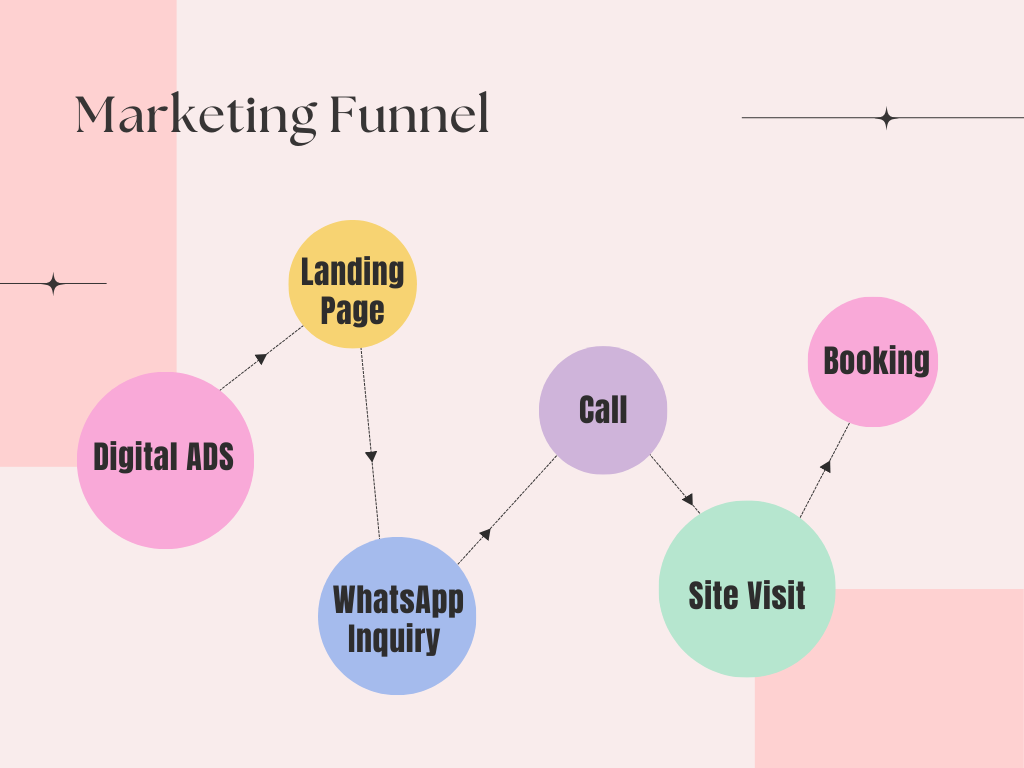
I planned to go all-in on digital channels, using:- Meta Ads to drive traffic
- WhatsApp for personalized follow-ups
- Instagram Reels to showcase transparency and site visits
I also created a simple funnel for my real estate business:
5. Financial Projections:
With a shoestring budget, I forecasted:
- Initial cost: ₹10,000 for ad spend and basic website
- Revenue goal: ₹1 lakh/month within 6 months
- Break-even: 3–4 bookings, each giving a commission of ₹25k–₹30k
💡Quick Tip
Use ChatGPT or Gemini to draft your initial business plan. Just give it your goals, audience, and business type — it’ll help you structure ideas faster. Then, refine it with real-world insights from your local market.
5. Building an Online Presence That Converts
This step was a game-changer for me. I knew I couldn’t just rely on traditional word-of-mouth or cold calls. If I wanted to build trust and get noticed, I needed to look professional online — even if I was just starting out.
So I took matters into my own hands.
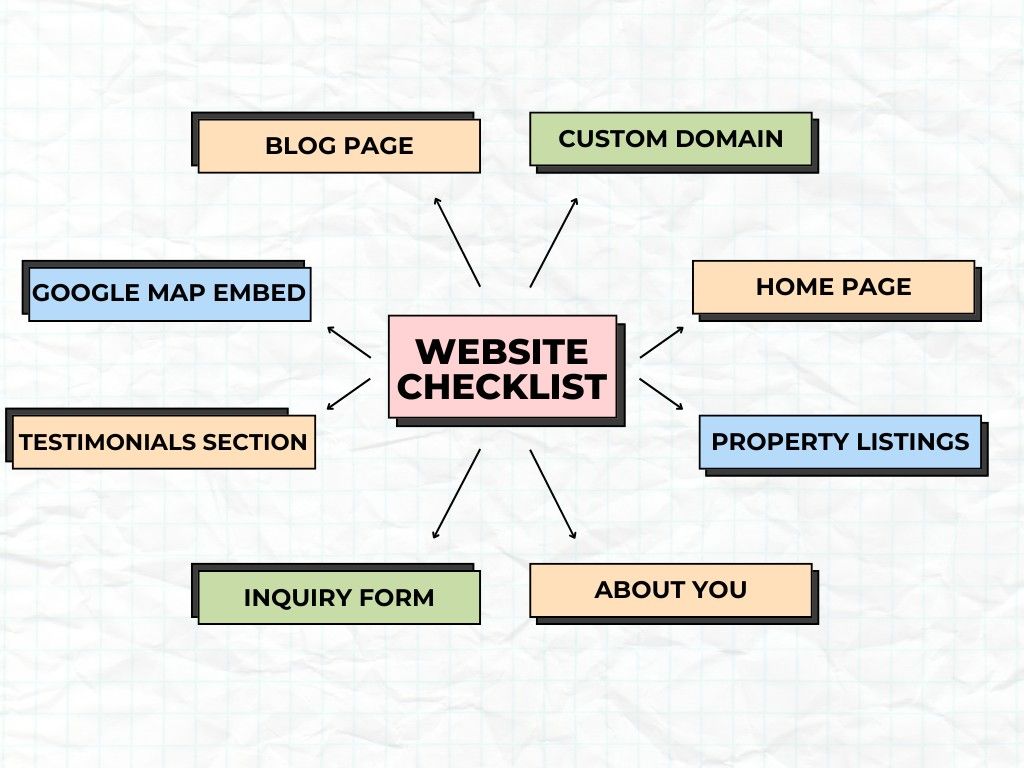
I began by creating a basic website using WordPress. It wasn’t fancy, but it clearly laid out what I offered, showcased key property listings, and made it easy for potential clients to get in touch. I linked it directly to WhatsApp so that inquiries could come straight to my phone.
At the same time, I launched a Facebook and Instagram page — not just to promote properties, but to build credibility and provide value.
What I Posted ?
- Customer Testimonials – Real stories from early clients who trusted me and had a smooth buying experience. These helped build social proof, which is everything in real estate.
- Informative Reels – Bite-sized videos on things like “How to check land ownership,” “What is RERA approval?” or “Registry process explained in 60 seconds.” These weren’t just content; they positioned me as someone who knew the market inside out.
- Live Q&A Sessions – I started going live every couple of weeks to answer common doubts around pricing, paperwork, and property verification. It gave potential buyers a space to interact with me directly — and those conversations often turned into serious leads.
Tools That Made It All Possible
- Canva: My go-to for all creatives — from Instagram posts to flyers.
- WordPress: When I wanted more control and flexibility without spending much, I used WordPress with free themes and plugins to create professional-looking landing pages tailored to each campaign.
- Bit.ly: This came in handy for shortening WhatsApp links I added to ads, reels, or bios — making it easy for people to click and start a chat without hassle.
🧠 Did You Know?
You can build and host a basic WordPress website for under ₹2,000/year using free themes and shared hosting platforms.
6. Managing Finances with Zero Capital
Starting a property business without any major investment isn’t easy — especially in real estate, where most people expect flashy offices and paid ads from day one. But I knew that money wasn’t my biggest asset — resourcefulness was.
How I Made It Work Without a Big Budget
- Commission-Based Tie-Ups with Developers
I didn’t have money to buy inventory or run paid property campaigns at first. So, I focused on building strong relationships with developers. I worked on a pure commission basis — meaning I only earned when I closed a deal. This way, I had no upfront costs, but full access to properties I could promote as my own. - Google Sheets for Expense Tracking
From mobile recharges to travel costs and internet bills — I tracked every rupee in a simple Google Sheet. It helped me understand where my money was going and avoid unnecessary spending. I created monthly budgets and stuck to them. - Learned Facebook and Google Ads Myself
Instead of hiring an agency or freelancer, I spent nights watching YouTube tutorials and reading case studies. I taught myself how to run performance ads, test creatives, and analyze results. It took time, but it saved me thousands — and eventually brought in consistent leads.
💡 Quick Tip
Tools like Google Sheets with simple formulas can help you create automated dashboards for tracking leads, commissions, and expenses—absolutely free.
7. Getting Licensed & Legal
If you’re serious about starting a real estate business in India, getting your legal foundation in place is non-negotiable. I learned early that staying compliant not only protects you — it also builds credibility with clients and developers.
Here’s What I Did to Stay on the Right Side of the Law
- RERA Registration (Mandatory in Most States): Whether you’re working independently or starting a brokerage firm, RERA (Real Estate Regulatory Authority) registration is essential. It’s mandatory in most Indian states, and without it, you may not even be allowed to legally market or sell RERA-approved projects. The registration process is pretty straightforward. I visited my state’s RERA website, submitted the required documents (like my PAN, Aadhaar, business address proof), and paid the prescribed fee. Within a few weeks, I received my RERA agent license, which I proudly display even now — because it instantly shows clients that I’m a verified professional.
- GST Registration (If Turnover Exceeds ₹20 Lakhs): While not necessary from day one, GST registration becomes important once your revenue crosses ₹20 lakhs in a financial year. It also helps when you’re working with bigger developers who might prefer billing through GST-compliant partners. I got my GST number through the online GST portal — it required basic documents like my PAN, business proof, bank account details, and a passport-size photo. Once done, I was legally ready to generate GST invoices and expand my business reach.
⏰ Quick Reminder
Clients today are aware. Having proper licenses, tax compliance, and legal clarity is not just paperwork — it’s a mark of trust. If you’re not sure where to begin, just start with RERA. That’s your foundation.
8. Building a Brand from Day One
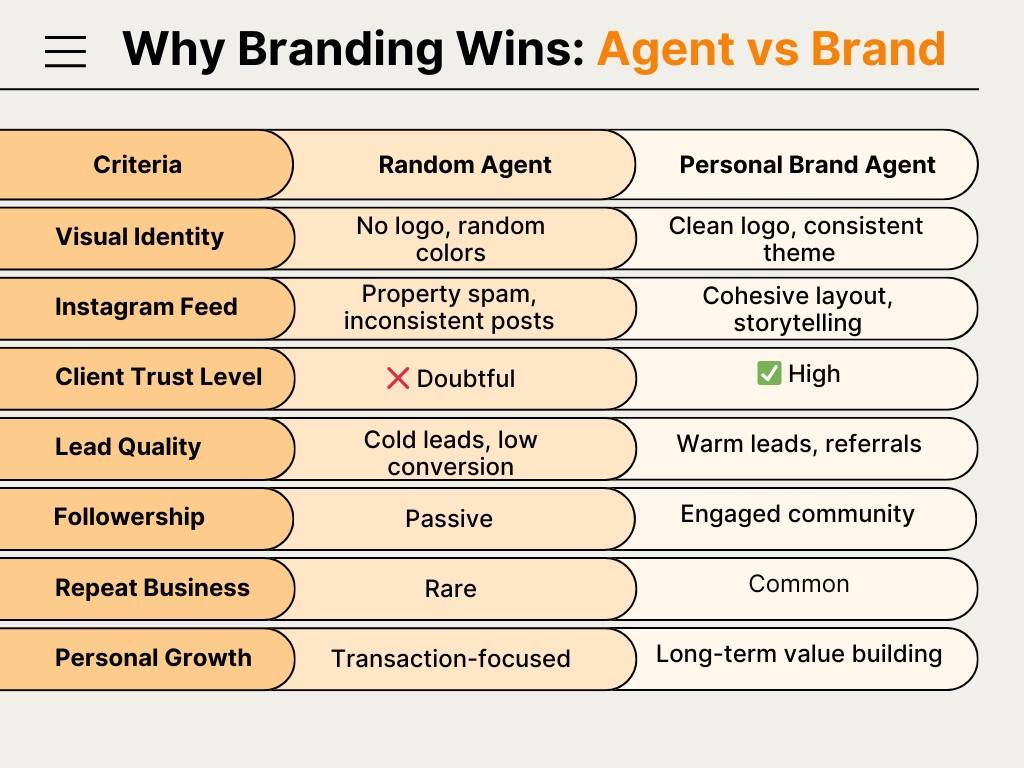
From the very beginning, I made a conscious decision to treat my real estate journey like a brand, not just a side hustle. I wasn’t just selling plots or homes — I was selling trust, professionalism, and clarity. And in an industry where people are often skeptical, I knew branding would be my strongest asset.
Here’s How I Started Building My Brand from Day One
- Designed a Simple Yet Memorable Logo (Using Canva):
I created a clean logo that reflected the professionalism I wanted to bring to the table. It wasn’t about being flashy — it was about consistency. - Created a Consistent Instagram Theme:
I picked a few brand colors and fonts that I stuck to. This helped my Instagram feed look neat and cohesive — something many new agents ignore. When someone visited my page, it immediately looked well-managed and credible. - Posted 3 Reels a Week (Focused on Transparency):
Rather than just posting fancy walkthroughs or flashy ads, I focused on real, relatable content.
Why Branding Matters in Real Estate Business
9. The Power of Referrals and Relationships
In the early days of my real estate journey, I didn’t have a massive marketing budget or a big sales team. What I did have was relationships — and I leaned into them.
In fact, almost 80% of my first deals came purely through word of mouth.
People trusted me not because of fancy ads, but because someone they knew had a smooth experience with me — and shared it.
What Actually Worked for Me
- Incentivized Referrals With Small Cashback Offers:
I created a simple system — if someone referred a buyer who closed a deal, I’d send them a small cashback or gift voucher.
It wasn’t about the money — it was a gesture. And it worked like magic. - Built a WhatsApp Community of Buyers & Investors:
I added past clients, investors, and serious prospects to a private WhatsApp group where I regularly shared:- New project launches
- Legal updates
- Investment tips
- Success stories of past buyers
Don’t think of referrals as “extra.” Make them part of your business system from day one. The more people trust you, the more they’ll talk about you — and that’s the most powerful form of marketing there is.
🧠 Did You Know ?
The idea of owning property stretches back to ancient times, but the first official real estate brokerage firm (Baird & Warner) opened in Chicago way back in 1855.



2 Comments